
Stop the Pain and Keep Your Natural Tooth
Tooth pain, swelling or sensitivity that won’t go away often means the nerve inside the tooth is infected or inflamed. At LA Dentists Group in Glendale, CA , our team of cosmetic and prosthodontic dentists uses modern rotary technology to clean, fill and seal the inside of the tooth. Treatment relieves your pain, stops the infection and protects the tooth from future problems. Don’t wait for the pain to get worse. Call 818-242-4046 at the first sign of trouble or request an appointment online.
request an appointmentWhat Is Root Canal Therapy?
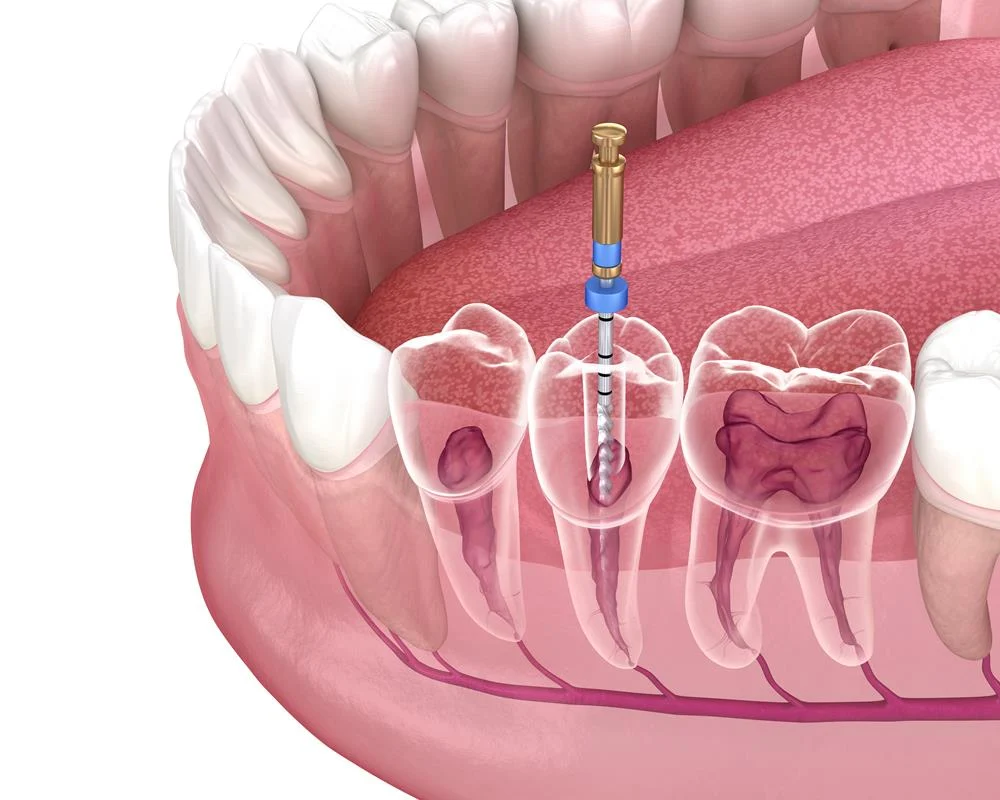
Every tooth has a soft core called the pulp, which contains nerves and blood vessels. It runs through narrow channels in the roots called root canals. Deep decay, a crack or an injury can let bacteria reach the pulp. Once that happens, the pulp becomes infected and the tooth starts to hurt. Root canal therapy removes the damaged pulp, disinfects the canals and seals them so bacteria can’t get back in.
At LA Dentists Group, we clean and shape infected canals with a high-tech rotary instrument. Older hand files can be noisy and slow. Rotary tools work quietly and smoothly, without the loud grinding sounds many patients dread, so the visit is far more comfortable.
Our practice uses the Dentsply WaveOne® rotary system. It cuts the time needed to clean an infected tooth by up to 40% compared with other rotary tools. That means less time in the chair and a more comfortable experience. You can learn more about the equipment we use on our state-of-the-art technology page.
Treating an infected tooth early is the best way to avoid painful complications. Left alone, an infection can spread, form an abscess and eventually loosen the tooth or cause it to be lost.
Signs You May Need a Root Canal
Common warning signs include:
- Swelling of the tooth, gums or face
- A persistent toothache
- Tenderness in the tooth or surrounding gums
- Lingering pain with hot or cold foods and drinks
- Pus or a pimple-like bump near the gumline
- Darkening or discoloration of the tooth
- General tooth sensitivity
- Pain when chewing or biting down
Some infected teeth cause no pain at all and are only found during an exam or on X-rays. That is one more reason to keep up with regular checkups. If you notice any of these signs, schedule a visit right away. The sooner we treat the tooth, the better the outcome.
Is Root Canal Therapy Right for You?
Your LA Dentists Group dentist starts with a thorough exam of your teeth and gums and takes dental X-rays to see the condition of the roots and surrounding bone. We also review your symptoms and oral health history. Then we explain what we found and build a treatment plan around your needs. In most cases, saving your natural tooth with a root canal is the best choice. If a tooth is too damaged to save, we’ll discuss other options with you, such as an extraction followed by a dental implant.
What Happens During a Root Canal
First, we numb the area completely so you stay comfortable throughout the procedure. If you feel anxious about dental work, we offer sedation dentistry to help you relax.
Once you’re comfortable, your dentist makes a small opening in the top of the tooth. Next, they gently remove the infected pulp. The canals are then cleaned and shaped with the WaveOne rotary system and disinfected. Finally, your dentist fills the empty canals with a biocompatible material and seals the tooth closed.
A tooth that has had a root canal can become more brittle over time, especially a back tooth that handles heavy chewing. For that reason, our team often recommends placing a crown over the treated tooth. A crown adds strength, restores a natural look and lowers the chance of future problems. Learn more about crowns and bridges.
Recovery and Aftercare
The treated tooth may feel tender for a few days after your root canal. Over-the-counter pain relievers usually manage this well. Until your final restoration is in place, avoid sticky candy, hard foods and chewing on objects like ice or pens. Brush after meals, floss every day and keep up with professional cleanings at least every six months. With good care, a tooth treated with a root canal can last for many years.
Root Canal Therapy FAQs
Does a root canal hurt?
Most patients say a root canal feels much like getting a filling. We fully numb the area before we begin, and our quiet rotary instruments make the procedure smoother and faster. Sedation is also available if you feel nervous. A root canal relieves the pain an infected tooth causes rather than creating it.
How long does a root canal take?
Many root canals can be completed in a single visit, though more complex teeth with several canals may need a second appointment. The WaveOne rotary system we use can reduce cleaning time by up to 40% compared with other rotary tools, which helps keep your time in the chair shorter.
Will I need a crown after my root canal?
Often, yes, especially for molars and premolars that handle heavy chewing forces. A crown protects the treated tooth from cracking and restores its natural appearance. Your dentist will let you know whether a crown is recommended for your tooth.
What happens if I put off a root canal?
An infected tooth won’t heal on its own. Delaying treatment can allow the infection to spread, form a painful abscess, damage the surrounding bone and eventually lead to losing the tooth. Treating it early gives you the best chance of saving it.
Is it better to pull the tooth instead?
Keeping your natural tooth is usually the best option for your bite, your jawbone and your long-term oral health. An extraction leaves a gap that needs to be replaced to prevent nearby teeth from shifting. If a tooth can’t be saved, we’ll walk you through replacement options.
How soon can I eat after a root canal?
Wait until the numbness wears off so you don’t bite your cheek or tongue. After that, eat soft foods and chew on the opposite side until your permanent restoration is placed. Avoid hard, sticky or chewy foods on the treated tooth in the meantime.
How long does a tooth with a root canal last?
With a proper restoration and good home care, a tooth treated with a root canal can last for many years and often a lifetime. Brushing, daily flossing and regular checkups and cleanings help protect it.
Get Relief From Tooth Pain Today
A toothache is your body’s signal that something needs attention. The team at LA Dentists Group can find the cause, ease your pain and help you keep your natural smile. Call 818-242-4046 or request an appointment online to schedule your visit in Glendale, CA .