
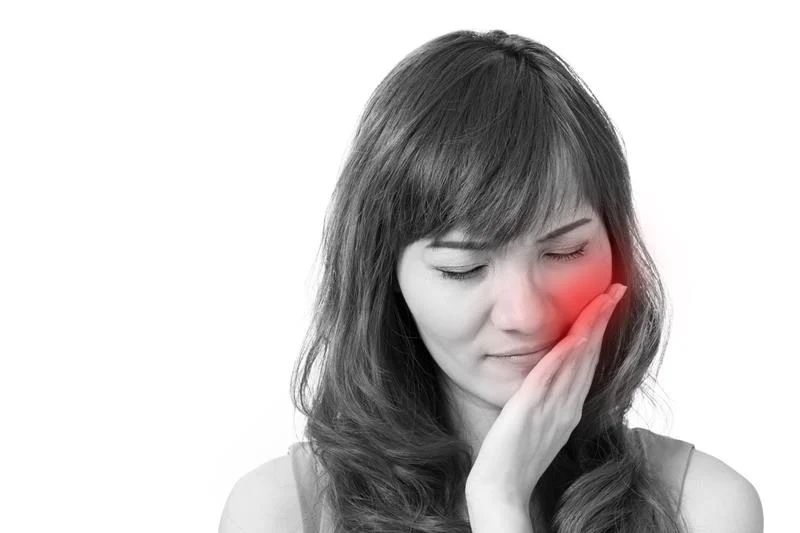
Relief for Jaw Pain, Clicking and Tension Headaches
Your temporomandibular joints (TMJs) connect your lower jaw to your skull and control every movement your jaw makes, from talking and chewing to clenching. When those joints or the muscles around them stop working smoothly, the result can be jaw pain, headaches, ear discomfort and a bite that feels off. At LA Dentists Group in Glendale, CA , our team evaluates the cause of your symptoms and builds a treatment plan for temporomandibular joint disorder (TMD) that eases discomfort and protects your joints over the long term.
request an appointmentWhat Are the TMJ and TMD?
You have two temporomandibular joints, one on each side of your face, just in front of your ears. They work together as a hinge and a slide, letting your mouth open, close and move side to side. Because these joints guide how your upper and lower teeth meet, their alignment directly affects your bite.
TMD is the term for problems with these joints and the muscles that move them. When one or both joints are strained, inflamed or out of position, everyday activities like eating and speaking can become uncomfortable.
What Causes TMD?
TMD often develops gradually, and more than one factor is usually involved. Common causes include:
- Teeth grinding or clenching (bruxism), especially at night or during stressful periods
- Injury or trauma to the jaw, face or head
- A naturally misaligned bite that places uneven pressure on the joints
- Dislocation or displacement of the cartilage disc inside the joint
- Worn, missing or poorly fitting teeth and restorations that change how your bite comes together
- Muscle tension in the jaw, neck and shoulders
Signs of TMD and Other TMJ Problems
TMD symptoms can affect one or both sides of the jaw. If you grind your teeth over a long period or have had a jaw injury, you may notice:
- Jaw pain or tenderness
- Headaches, particularly around the temples
- Neck aches
- Earaches or ringing in the ears
- Trouble chewing
- Jaw locking
- Grating, clicking or popping sounds when you move your jaw
- Inability to open your mouth widely
Many people live with these symptoms for months before realizing they are connected to the jaw joint. If any of them sound familiar, an evaluation can help pinpoint the source.
How We Diagnose TMJ Issues
Your visit begins with a conversation about your symptoms, when they started and what makes them better or worse. We examine your jaw movement, listen for joint sounds, check the muscles of your face and neck, and look closely at how your teeth fit together. X-ray imaging may be used to examine the joints for damage. With a clear picture of what is happening, we recommend a care plan designed to restore healthy joint function and prevent further damage.
TMD and TMJ Treatment Options
Several dental treatments are available for TMD, and our team routinely coordinates with other professionals, such as chiropractors, when a combined approach gives you the best possible outcome. Your treatment may include one or more of the following.
Botox Injections
Botox® injections treat TMD by relaxing the muscles responsible for moving and clenching your jaw. This can reduce the force placed on the joints and ease muscle-related pain and tension headaches.
Oral Appliance Therapy
A custom oral appliance is worn at night to control teeth grinding and clenching, which can damage your TMJs and wear down your teeth. The appliance cushions your bite and helps the jaw muscles relax while you sleep.
Correcting Your Bite
For long-term relief, we may recommend correcting the way your teeth come together. Options such as Invisalign® clear aligners, braces, and crowns and bridges help align and balance your bite so pressure is shared evenly across both joints.
Why Patients Choose LA Dentists Group
Jaw pain affects how you eat, sleep and feel every day. Our dentists combine careful diagnosis with restorative, orthodontic and cosmetic expertise under one roof, so we can address both the symptoms of TMD and the bite problems that often drive them. We take time to explain your options and tailor treatment to your comfort and goals.
Frequently Asked Questions About TMJ and TMD
What is the difference between TMJ and TMD?
TMJ refers to the temporomandibular joint itself, the hinge that connects your lower jaw to your skull. TMD stands for temporomandibular joint disorder, which describes problems affecting that joint and the surrounding muscles. Many people use “TMJ” to describe the condition, but TMD is the more accurate term.
Can a dentist treat TMJ pain?
Yes. Dentists are well suited to treat TMD because the condition is closely tied to your bite, teeth grinding and jaw muscles. At LA Dentists Group, we offer oral appliances, Botox injections and bite correction, and we coordinate with other professionals such as chiropractors when needed.
Will TMD go away on its own?
Mild jaw soreness sometimes improves with rest, but symptoms caused by grinding, a misaligned bite or joint damage often return or worsen without treatment. An evaluation helps identify the cause so you can get lasting relief instead of temporary improvement.
How does a night guard help with TMJ problems?
A custom oral appliance worn at night places a protective barrier between your upper and lower teeth. It reduces the force of grinding and clenching, helps your jaw muscles relax and protects your teeth from wear.
Is Botox safe for treating TMD?
Botox is a widely used treatment for relaxing overactive jaw muscles. When administered in small, targeted doses, it can reduce clenching and muscle pain. We review your health history and discuss whether it is a good fit for you before treatment.
Can fixing my bite stop jaw pain?
When an uneven bite is contributing to joint strain, correcting it can provide long-term relief. Treatments such as Invisalign, braces, crowns and bridges help your teeth meet evenly so pressure is balanced across both joints.
When should I see a dentist about jaw pain?
Schedule an evaluation if you have jaw pain, frequent headaches, clicking or popping, difficulty opening your mouth or signs that you grind your teeth. Early treatment can prevent further damage to your joints and teeth.
Get Lasting Relief From Jaw Pain
If you have pain around your jaw and temples, clicking when you chew or headaches that keep coming back, it is time to find out whether TMD is the cause. Call LA Dentists Group at 818-242-4046 or request an evaluation online today.